
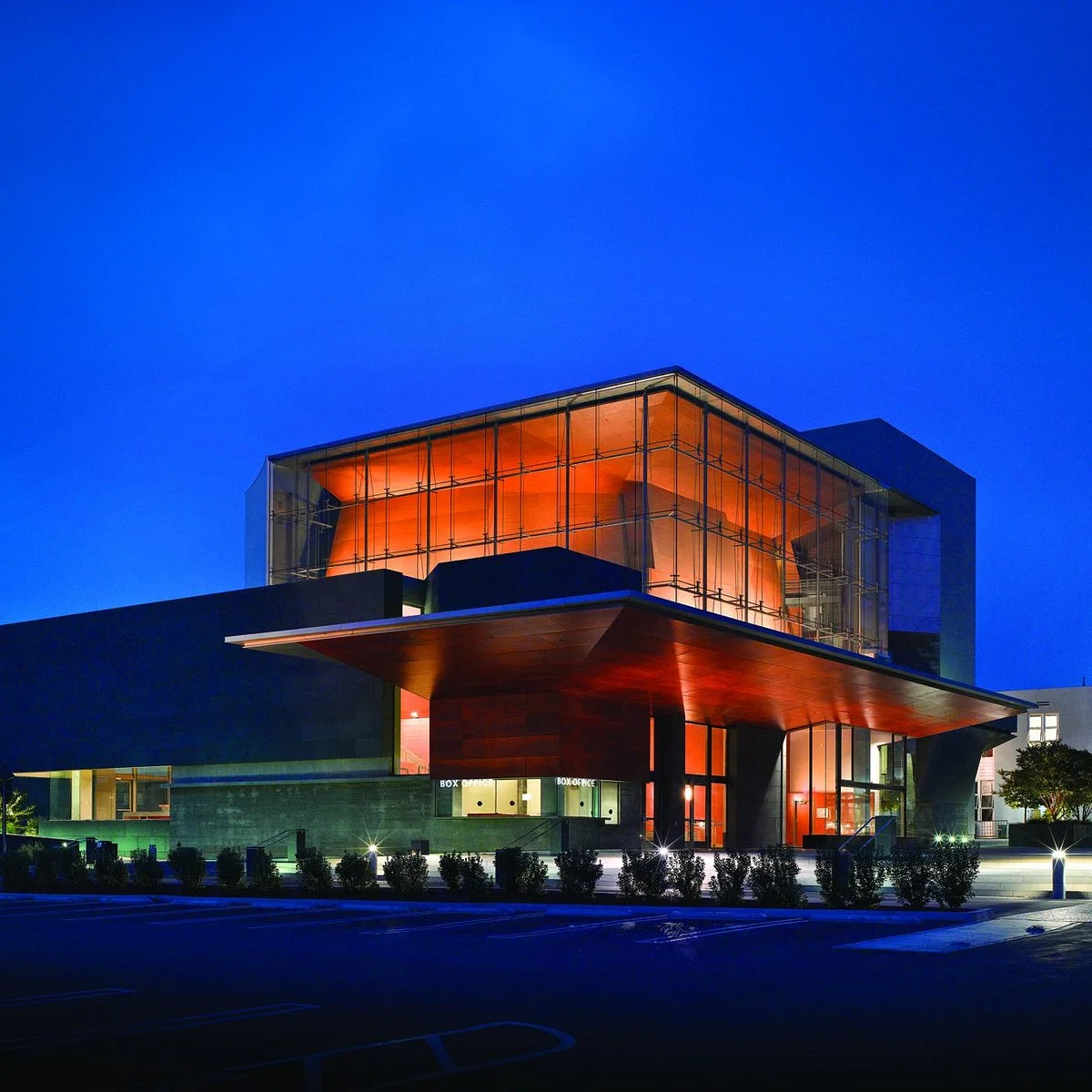
The Broad Stage is a theater, and that single fact shapes every planning conversation before it starts. A 499-seat proscenium house with fixed rake seating, a proper fly system, and house lighting built for stage productions handles a keynote or a screening differently than a hotel ballroom or a convention hall.
Programs that land well here tend to be single-session: a general session, an awards presentation, a product film screening, a corporate town hall recorded to camera. The room rewards a program with one focal point on stage and an audience that stays seated, not a show floor with parallel activity.
Because the venue sits on a working community college campus, the calendar, the loading dock, and the campus rules run on academic scheduling as much as on event bookings, and that changes how far in advance a date needs to be locked.
Execution priorities
- Fixed 499-seat proscenium theater inside the Santa Monica College Performing Arts Center, with a raked house and no floor reconfiguration.
- Professional-grade lighting rig, sound reinforcement, and backstage support built for stage productions, not booth power drops.
- Loading access runs through a scenic dock sized for set pieces and road cases, not palletized freight.
- Located on an active community college campus, so booking windows follow the academic calendar alongside the event calendar.
Why a proscenium house reads differently than a ballroom
A fixed-seat theater removes two variables most planners spend the most time on elsewhere: room set and sightlines. Every seat already has a sightline to the stage, so the design problem shifts from chair counts and rounds to content pacing and stage picture.
That trade cuts the other way too. Nothing about the floor plan flexes. A program that wants breakout rooms, an expo aisle, or a standing reception needs a second location, because the theater does not have the square footage or the flat floor to host any of those inside the same room.
Access and load-in on a campus schedule
The scenic dock and backstage access are designed for production load-in, meaning truss, drape, and staging pieces move in the way a touring show's set would, not the way a general service contractor rolls booth crates across an exhibit hall floor.
Santa Monica College runs its own calendar of classes, rehearsals, and student productions, so a load-in window has to clear campus scheduling in addition to venue availability. Locking that window early avoids a conflict surfacing two weeks out.
What the room supports on show day
House lighting and a permanent sound system cover most single-speaker and panel formats without a large supplemental rig, which keeps production budgets closer to a broadcast package than a full trade show build.
Backstage green room and dressing room space works well for a rehearsed program with a run-of-show, a rehearsal pass, and a defined cue sheet, closer to how a theatrical performance is staged than how a keynote gets staged in a generic hotel ballroom.
Where The Broad Stage fits in a Santa Monica program
Teams booking a citywide or campus-adjacent conference sometimes pair a general session or awards moment here with breakouts and exhibit space elsewhere in Santa Monica, using the theater for the one moment that needs a real stage.
That pairing only works if the transportation plan between locations is locked alongside the theater booking, since attendees moving between a ballroom and a campus theater need a defined shuttle or walking route, not an assumption that it will sort itself out.
Budgeting for a theater versus a ballroom
A theater rental typically prices differently than a ballroom day rate, since the venue bundles house lighting, sound, and stagehand labor into the package rather than treating each as a separate line item added by an outside production company.
That bundling can simplify a budget for a single-session program, but it also means less flexibility to swap in outside AV vendors than a hotel ballroom allows, so any program with existing AV relationships should confirm what the venue requires in-house before finalizing a quote.
Frequently asked questions
How many seats does The Broad Stage hold?
499, in a fixed, raked proscenium configuration with no floor reconfiguration option.
Can the room be used for a trade show floor or expo?
No. The seating is fixed and there is no flat floor space; the venue works for single-focus stage programs, not booth-based events.
How does load-in work?
Through a scenic dock built for set pieces and road cases, scheduled around Santa Monica College's academic calendar.
What kind of programs work best here?
Single-session formats: keynotes, screenings, awards presentations, and town halls that keep one focal point on stage.
Does the venue package include lighting and sound?
Yes, house lighting and sound reinforcement are typically bundled into the rental, along with backstage crew support.