
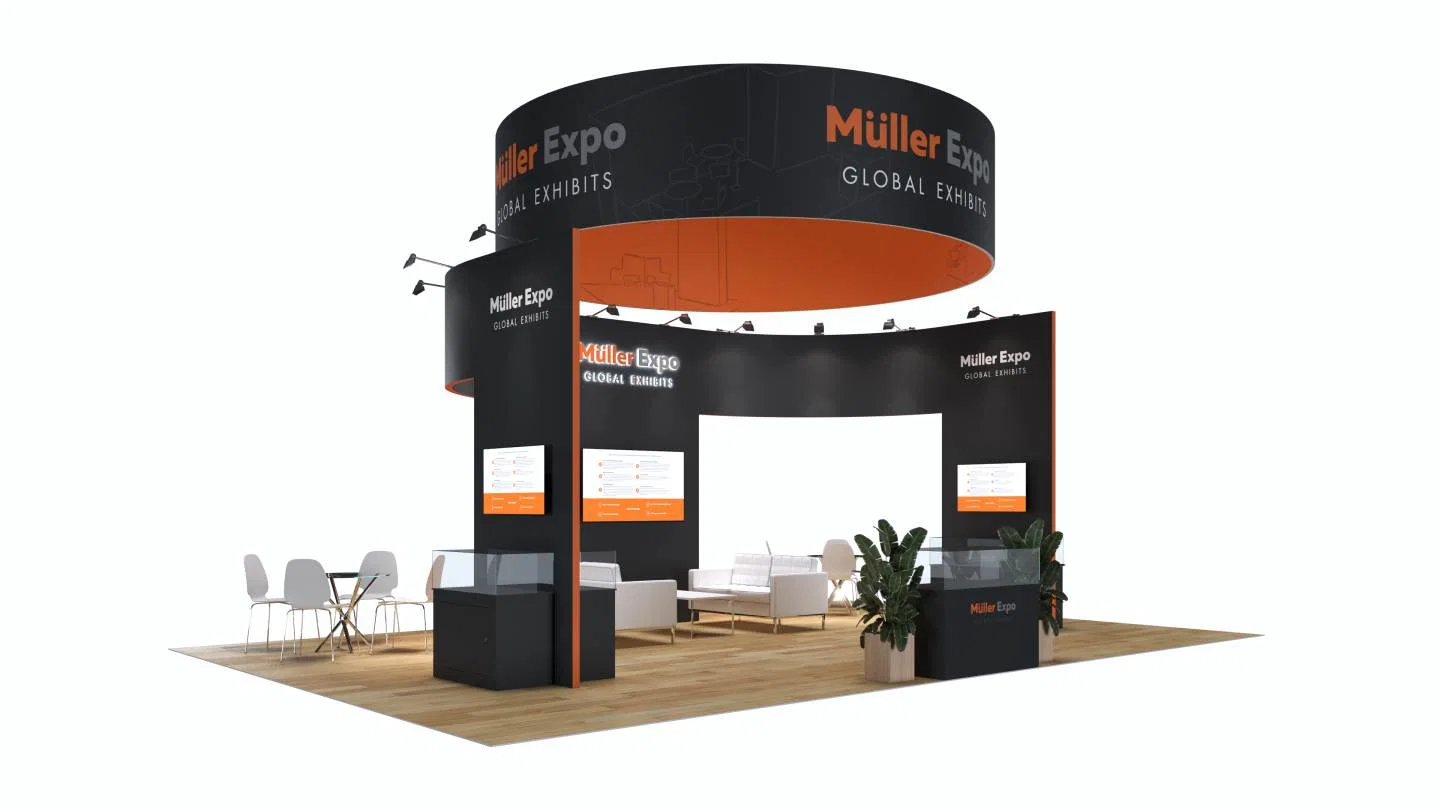
Santa Monica sits inside a retail and ecommerce cluster that runs from Third Street Promenade and Santa Monica Place through the Silicon Beach tech corridor along the coast, and a lot of the brands and platforms in that corridor exhibit or host buyer days without ever leaving a ten-mile radius.
This page covers retail, marketplace, and ecommerce platform exhibitors, from a small branded shop floor at a category show to a private appointment suite booked out of a Santa Monica hotel during a larger LA event.
Execution priorities
- Retailer meeting room counts get set against the actual buyer list, not a round estimate.
- Demo retail flow is walked in advance so a shopper or buyer never backs up at one station.
- Private appointment scheduling is confirmed with a room that's separate from the open shop floor.
- Category-specific lighting is matched to the product, since apparel, beauty, and hard goods each read differently under the same fixture.
Meeting-room math for retailer walks
A retailer walk is only as good as the room count behind it. If six buyer meetings are scheduled in three rooms with thirty-minute slots, the math has to account for setup and reset time between each one, or the fourth meeting of the day starts late and stays late.
A Santa Monica hotel suite works for this when the show itself doesn't have enough private space on its own floor, and it puts the meeting a short drive from Santa Monica Place or the Promenade if a buyer wants to walk a live retail environment as part of the pitch.
Keeping the demo floor moving
A branded shop floor built for a category show lives or dies on whether one demo station backs up the rest. Staggering start times and giving each station its own staffer, rather than one person rotating between two stations, keeps a line from forming in front of the whole display.
Ecommerce and marketplace platforms often show the product on a screen rather than a shelf, which changes the bottleneck from physical stock to available devices. Counting tablets or terminals against expected foot traffic before the show opens catches that early.
Private appointments away from the open floor
A confidential buyer conversation, a pricing discussion, or a licensing pitch doesn't belong in earshot of a competitor's booth two aisles over. Booking a closed room, whether that's a meeting suite at a Santa Monica hotel or a curtained-off section of the show floor, keeps that conversation contained.
Scheduling those appointments back to back without a buffer is the most common mistake. A ten-minute gap between meetings gives the room a chance to reset and gives the outgoing buyer a clean exit before the next one arrives.
Lighting that matches the category
Apparel and beauty read differently under warm, diffused light than hard goods do under a brighter, more direct wash, and a generic rental package usually splits the difference badly for both. Matching the fixture to the category before the floor plan is finalized avoids a last-minute lighting swap.
The ceiling grid at LACC and the fixture height in a hotel ballroom aren't interchangeable, so a lighting plan built for one venue needs a second look before it's reused at the other.
Working around the coastal calendar
Third Street Promenade and Santa Monica Place run their own retail and event calendars, and a buyer day or pop-up scheduled during a busy weekend on the Promenade competes for parking and foot traffic with whatever else is already drawing a crowd that day.
Checking the Promenade and Santa Monica Place event calendars before locking a date, and building in extra time for coastal parking on a peak weekend, keeps a retail program from running into a schedule conflict it could have avoided.
Frequently asked questions
Why does Santa Monica come up for retail and ecommerce events specifically?
The city sits inside a retail and tech corridor that runs from Third Street Promenade and Santa Monica Place through the Silicon Beach cluster, so a lot of exhibiting brands and platforms are already based nearby.
How many private appointment rooms does a buyer day usually need?
It depends on the buyer list and slot length, but the room count should be set against actual scheduled meetings plus setup and reset time, not a round estimate made before the list is finalized.
What keeps a demo floor from backing up?
Staggered start times and one staffer per station rather than a single rotating staffer, plus enough tablets or terminals counted against expected foot traffic.
Which shows anchor the retail and ecommerce calendar?
NRF Big Show, Shoptalk, eTail, and category-specific retail conferences are the events most exhibitors plan a Santa Monica-based program around.
Does the same lighting setup work in a hotel ballroom and a hall?
Not directly. The ceiling grid at LACC sits differently than the fixture height in a Santa Monica hotel ballroom, so a lighting plan built for one usually needs adjustment for the other.