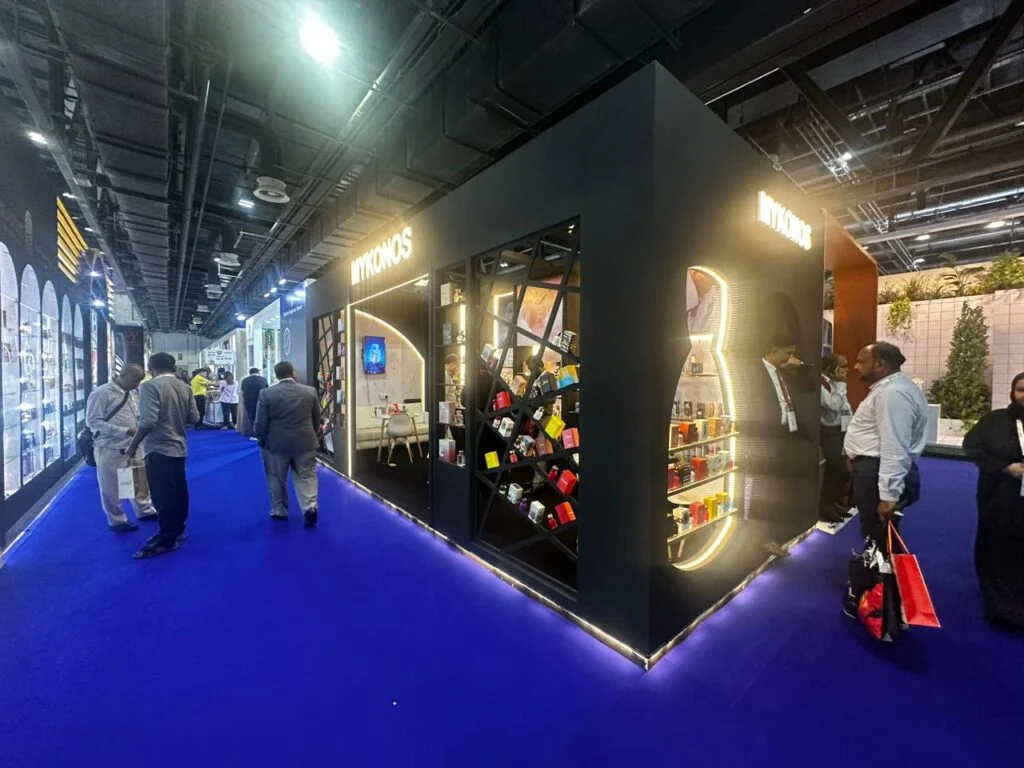
Installation and dismantle, commonly shortened to I&D, is the physical build and teardown of the booth on site. What crew is allowed to do that work depends entirely on the venue's labor jurisdiction, which is set by the hall and the show's general contractor, not by the exhibitor.
At union halls like the LA Convention Center and Long Beach, exhibit installation above a certain hand-tool threshold typically falls to union labor unless an exhibitor has filed and been approved as an EAC. A hotel property or a direct hangar booking runs under a different, usually non-union, set of rules entirely.
Getting the labor jurisdiction wrong is one of the more expensive mistakes a first-time exhibitor makes, either by paying for union labor that was not required or by having a non-union crew turned away from a union floor.
Execution priorities
- Which labor jurisdiction applies at the confirmed venue: union hall, EAC-approved crew, or open labor.
- How many install hours the booth realistically needs against the venue's move-in window.
- Whether move-out is a straight teardown or needs to preserve the exhibit for its next show.
- Who signs the labor time card and reconciles it against the estimate before the crew leaves the floor.
Reading the labor jurisdiction before booking a crew
The exhibitor kit or the general contractor's labor rules state exactly what an exhibitor's own staff or an EAC crew can do by hand, usually simple carton unpacking and light assembly, versus what requires union I&D labor. That line moves depending on the hall.
We confirm this before crew booking, not on move-in morning, because a crew that cannot legally perform the work at a given venue is a wasted trip and a scramble to source union labor same-day at a premium rate.
Move-in windows and how much labor they buy
Union labor is typically billed in call increments with minimums, so a booth that needs four hours of work booked against a two-hour minimum call wastes money, and a booth that needs eight hours booked against a four-hour call runs into overtime rates that were avoidable with better scheduling.
We size the labor call to the actual booth complexity rather than a standard estimate, and we build in buffer for a hall's move-in congestion, which is common when many exhibitors are working the same limited freight elevator or dock window.
Non-union work at hangar and hotel venues
A Barker Hangar direct booking or a Fairmont Miramar meeting setup typically does not carry the same union labor requirement as a convention center floor, which usually means our own crew or the exhibitor's staff can perform more of the physical install without triggering a jurisdiction issue.
That does not mean no rules apply. Hangar and hotel venues still have their own insurance, access, and safety requirements, just not the same trade jurisdiction lines as a union convention hall.
Dismantle and what happens to the exhibit next
Teardown at the end of a show is not identical to teardown at the end of a season. If the booth has another date coming up, dismantle includes a condition check and careful re-crating; if the show was its last date for a while, dismantle includes prepping the piece for storage.
That distinction is set before move-out starts, so the crew is not deciding on the floor whether to rush a teardown or protect the piece for its next appearance.
Installation and dismantle questions
Can our own staff install the booth themselves?
At a union hall, usually only limited hand work; full install typically requires union I&D labor or an approved EAC crew. At a hangar or hotel venue, more of the work can often be done by your own staff.
How is union labor billed?
Typically in call increments with minimums, so booking the right number of hours against the actual booth complexity avoids paying for unused minimums or hitting overtime.
Does dismantle differ if the booth has another show coming up?
Yes. A booth heading to another date gets a condition check and careful re-crating, while a booth going into storage gets prepped differently for the time between shows.
What if move-in congestion delays our labor call?
We build buffer into the schedule for shared dock and freight elevator windows, since congestion during move-in is common at busier halls.
Does the same crew handle both install and dismantle?
Where the venue's rules allow it, yes, since a crew that built the booth generally tears it down faster and more carefully than one seeing it for the first time at move-out.