
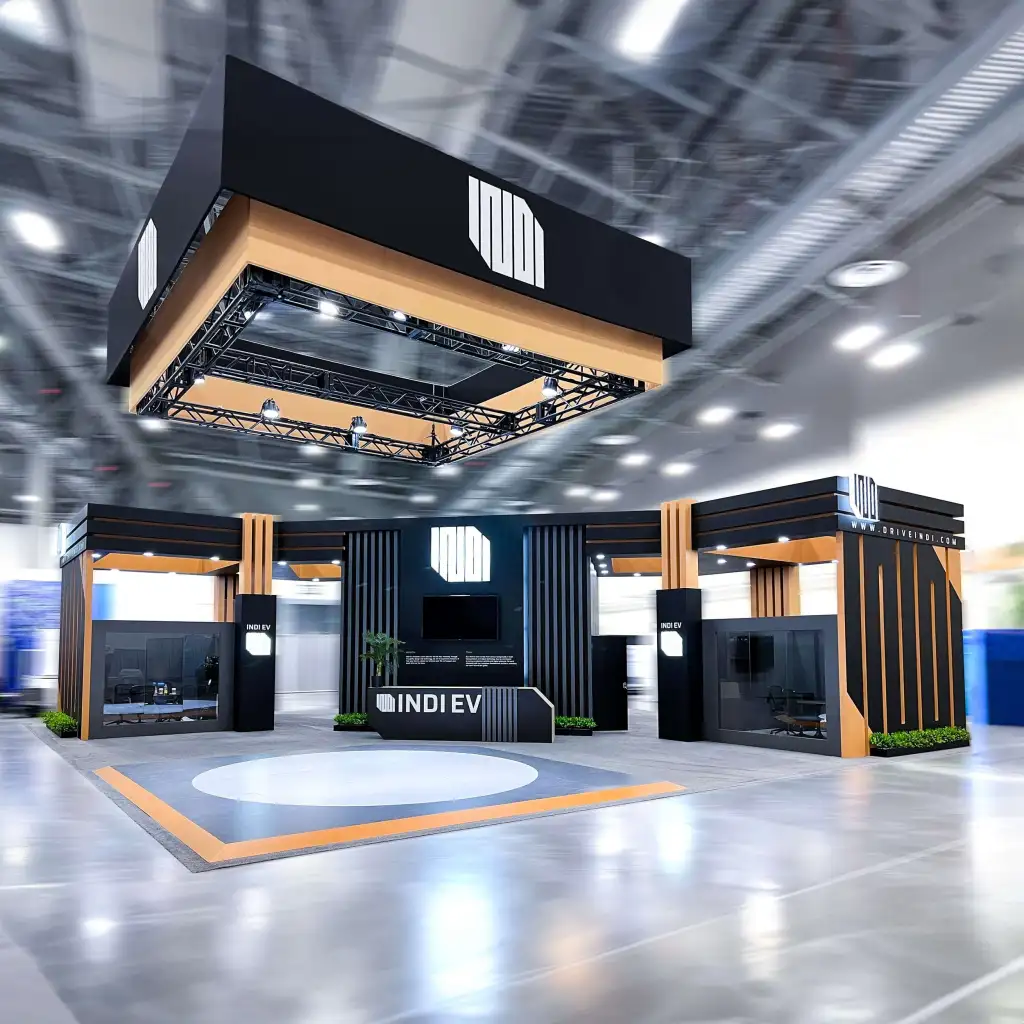
Exhibitor-side trade show support covers the booth, not the show: drayage, installation and dismantle labor, AV, graphics, and on-site supervision for exhibitors on annual or biannual show calendars across the region.
The work reads the same on paper across venues, and differently in practice. A booth headed to Los Angeles Convention Center moves through a different drayage and labor structure than the same booth headed to Long Beach or Pasadena, and a plan that ignores that difference usually surfaces as a show-floor scramble.
Execution priorities
- Target move-in window, confirmed against the specific hall's freight schedule, not a regional assumption.
- Drayage class for the booth, since misclassified freight is the single most common source of show-floor delay.
- Show-services orders placed through the venue's exhibitor portal, on time and matched to the actual booth design.
- A supervision plan for install and dismantle, with a named point of contact on-site for both.
What exhibitor-side trade show work covers
The scope is the booth's full lifecycle: freight arrival and drayage, installation labor, AV and graphics, and supervision through strike and outbound freight. It does not cover show management, which sits with the organizer and the venue's general service contractor.
Exhibitors running the same show year after year benefit most from this kind of support, since a repeatable process across annual or biannual show calendars compounds: the second and third year get faster once the drayage class, labor rules, and portal deadlines are already known quantities.
Why LACC, Long Beach, and Pasadena are not interchangeable
Los Angeles Convention Center is mid-expansion ahead of the 2028 Olympics, and its scale, union labor jurisdictions, and freight rules differ from the Long Beach Convention & Entertainment Center's port-adjacent operation and from Pasadena Convention Center's smaller regional footprint.
California's general service contractor and union labor rules are set venue by venue rather than by one statewide standard; the labor order that works at LACC does not automatically transfer to Long Beach.
Running the program from a Santa Monica base
Santa Monica sits roughly fifteen to twenty minutes from downtown LA on I-10 outside peak traffic, and considerably longer during rush hour, which matters for a supervision team commuting to the hall daily during install and dismantle.
Long Beach and Pasadena both add real drive time from a Westside base, so a program running crew out of Santa Monica should build that travel time into the labor schedule rather than assuming a downtown-adjacent commute for every show.
Keeping the schedule honest
The four decisions that matter, move-in window, drayage class, service orders, and supervision plan, all move together. Shift the move-in window and drayage class, labor, and graphics timing shift with it.
Locking those four before production starts is what keeps a show-floor day from turning into a scramble; treating any one of them as flexible once freight is in transit is where most delays start.
What a repeat-exhibitor calendar changes
An exhibitor with a fixed rotation, the same three or four shows every year, benefits from documenting the drayage class, labor rules, and portal deadlines for each hall the first time through, turning next year's setup into a checklist instead of a fresh research project.
That documentation matters more in Southern California than in a single-hall market, since the exhibitor is effectively maintaining three separate playbooks, one each for LACC, Long Beach, and Pasadena, rather than one set of venue rules that covers every show.
Frequently asked questions
What does exhibitor-side trade show support actually cover?
Booth freight and drayage, installation and dismantle labor, AV, graphics, and on-site supervision, not show management.
Which venues does this work route to most from Santa Monica?
Los Angeles Convention Center, Long Beach Convention & Entertainment Center, and Pasadena Convention Center most often.
Do labor rules carry over between venues?
No. Each venue sets its own general service contractor and labor structure; a plan built for LACC does not transfer automatically to Long Beach or Pasadena.
How much drive time should a Santa Monica-based crew plan for?
Roughly fifteen to twenty minutes to downtown LA outside peak traffic, more during rush hour, with additional time for Long Beach or Pasadena.
What is the biggest scheduling risk?
Misclassified drayage or a move-in window that shifts after freight is already in transit.
Does the process get faster for a repeat exhibitor?
Yes, once drayage class, labor rules, and portal deadlines are documented per venue, subsequent years follow a checklist instead of fresh research.
Can this work cover a first-time exhibitor with no show history?
Yes, though a first-time exhibitor should expect a longer research pass on drayage class and labor rules than a program with an established playbook.