
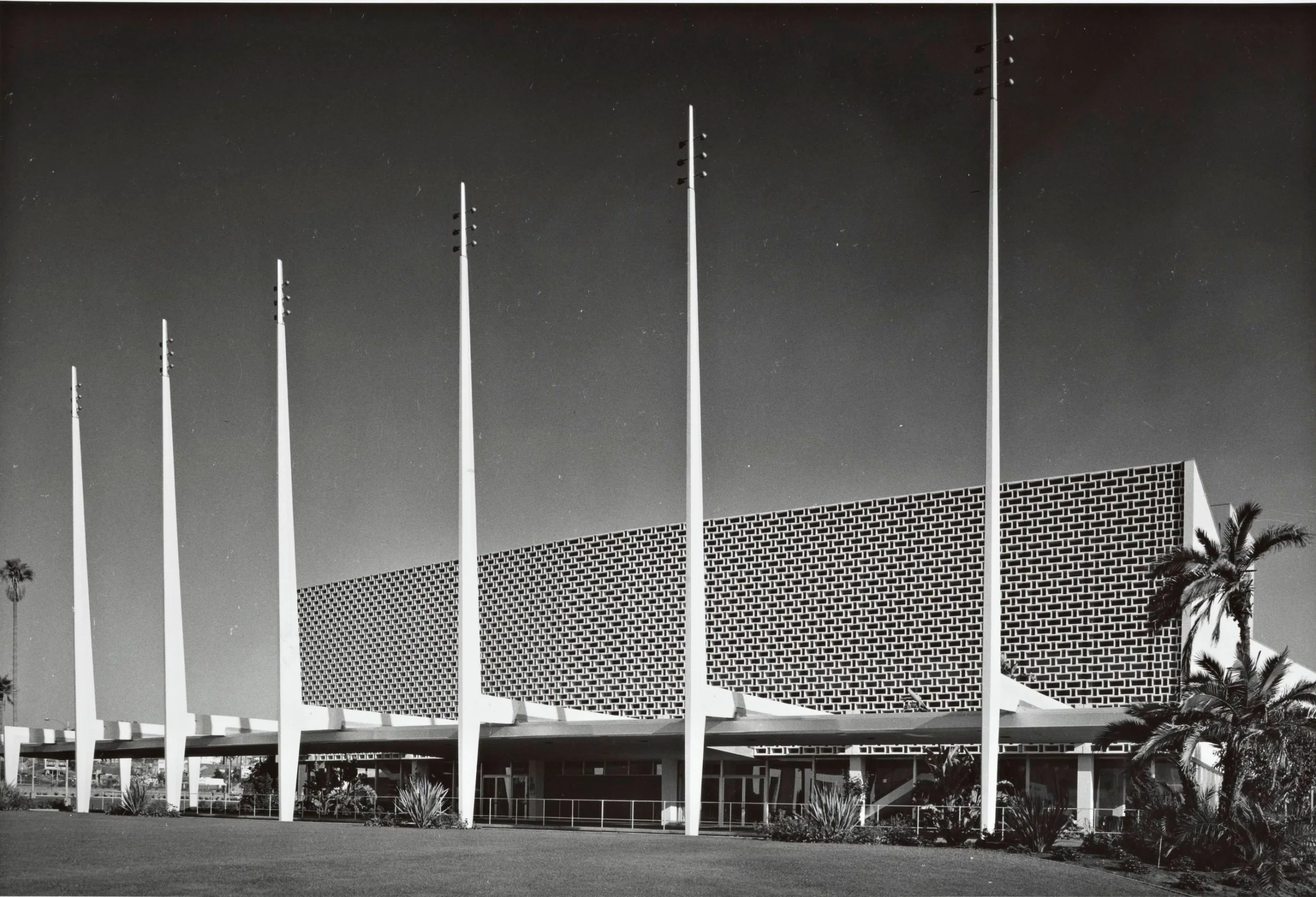
Any planning conversation about the Civic Auditorium has to start with its status rather than its floor plan. The city-owned hall has spent recent years working through renovation and reuse planning rather than running a full public events calendar, and that changes what a booking process looks like compared with a hotel ballroom or a convention center that takes reservations year-round.
The building's history carries real weight in Santa Monica: it hosted the Academy Awards ceremony for several years in the 1960s and later became an early home for the American Music Awards, a pedigree that still shapes how the city and the community think about the space.
For a program that can work around that status, the auditorium offers a large-format civic hall unlike any hotel ballroom in the city, at civic scale rather than convention-hall scale.
Execution priorities
- City-owned civic landmark at 1855 Main Street in Santa Monica's civic and cultural district, near the Santa Monica Pier.
- Hosted the Academy Awards in the 1960s and an early run of the American Music Awards, a history unusual for a municipal hall.
- Has been the subject of ongoing city renovation and reuse planning rather than a standing public events calendar.
- Large-format civic scale that differs from both hotel ballrooms and purpose-built convention floors in the same market.
A landmark with a planning status, not a standing calendar
Booking a civic landmark under active renovation planning is a different process than booking a hotel function room. The right first move is confirming current availability and use restrictions directly with the city rather than assuming the hall operates like a commercial venue with a published rate card.
That confirmation step should happen before a program locks a date publicly, since city-owned civic assets can have review processes, community-use priorities, or capital-project timelines that a private venue simply does not.
What the address puts a program near
1855 Main Street sits inside Santa Monica's civic and cultural district, within reach of the Pier, the beach, and the Third Street Promenade for evening programming once a session wraps.
That location works in a program's favor for hospitality and off-site moments even when the auditorium itself is the constrained variable.
The scale question
A large-format civic hall reads differently from a hotel ballroom broken into sections or a purpose-built expo floor with column grids and loading docks designed for freight. The auditorium's floor plate and mid-century architecture were built for assembly and performance, not exhibit logistics.
A program considering the space should map its actual floor needs against that civic-hall geometry rather than assuming standard trade show math applies.
Planning around an evolving asset
Because the building's future use is part of an active city process, any program planned around it should carry a contingency plan and a realistic lead time for confirmation, rather than treating the civic auditorium as an interchangeable large room.
Teams that have used the auditorium's history as a draw for sponsors or press should pair that story with a firm, city-confirmed date before it goes into a save-the-date.
What a program should ask before booking
Because the hall is not running a standard commercial calendar, the right questions are different from a typical venue inquiry: current use status, any capital-project construction that could affect access, and how far in advance the city needs a request submitted.
A program with a flexible date range has more leverage here than one locked to a single weekend, since city-owned civic assets under active planning tend to accommodate flexible requests more readily than fixed ones.
Frequently asked questions
Is the Santa Monica Civic Auditorium currently bookable for private events?
Availability depends on the city's active renovation and reuse planning process; confirm current status directly with the city before locking a date.
What is the auditorium best known for?
It hosted the Academy Awards ceremony in the 1960s and an early run of the American Music Awards, a history uncommon for a municipal venue.
Where is the auditorium located?
1855 Main Street, in Santa Monica's civic and cultural district, near the Pier and the beach.
How does the auditorium compare to a hotel ballroom?
It is a large-format civic hall built for assembly and performance, not a subdivided function room or an exhibit-hall floor plate.
What should a planner ask before pursuing this venue?
Current use status, any capital-project timeline affecting access, and the city's required lead time for a booking request.
Who should a program contact to check current status?
The City of Santa Monica's civic venue or facilities office, which manages the renovation and reuse planning process directly.