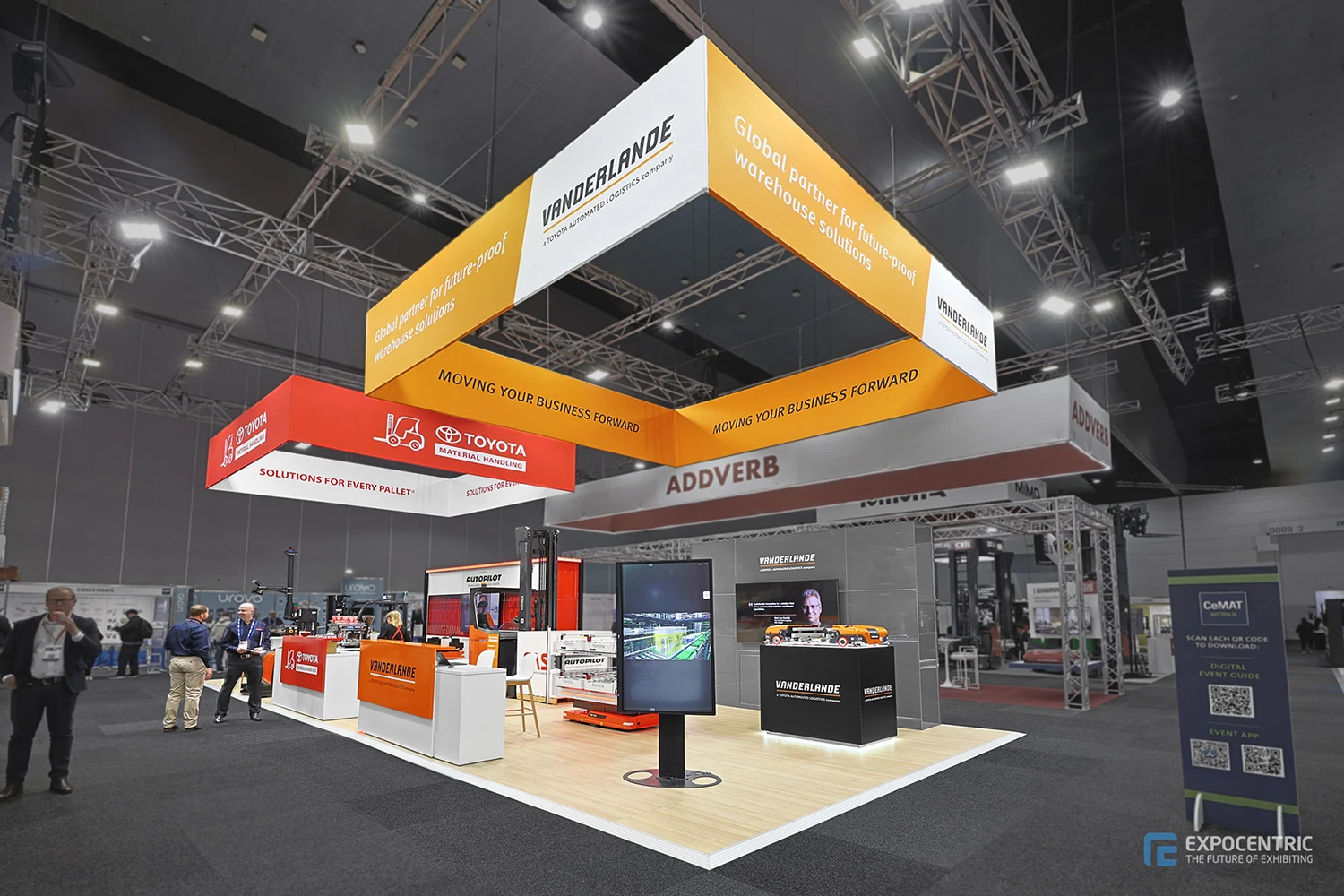
Sponsorship-activation work covers sponsor lounges, branded experiences, hospitality bars, and partner content capture for sponsorship leads accountable to partner brands for measurable activation.
The venue list here runs across the whole LA basin rather than staying close to Santa Monica: SoFi Stadium in Inglewood, Hollywood Palladium on Sunset, Crypto.com Arena downtown, and Pacific Design Center in West Hollywood, each chosen for the event they attach to rather than for proximity to a Santa Monica office.
Execution priorities
- Partner brand standards, locked against the sponsor's actual guidelines before any signage is fabricated.
- Traffic flow, mapped to the host venue's real concourse or lobby patterns, not a generic floor plan.
- Fulfillment logistics, confirmed for giveaways and premiums well before doors open.
- Post-event report, scoped for the metrics the partner actually asked for.
What sponsorship-activation work covers
A sponsor lounge or branded experience carries the partner's presence inside someone else's event, a stadium concourse, an arena lobby, a theater's outer hall, which means the activation has to work inside rules it does not control.
Hospitality bars and partner content capture round out the deliverables sponsorship leads report back on, and the post-event report ties the whole footprint back to whatever measurable outcome the partner brand actually cares about, foot traffic, engagement, or lead capture.
Working inside someone else's venue rules
SoFi Stadium, Crypto.com Arena, and Hollywood Palladium each run their own vendor, signage, and labor rules independent of the sponsorship program, and a partner activation has to clear those rules before it clears the sponsor's own brand standards.
That double layer, venue rules plus partner brand standards, is the main reason sponsorship activation planning takes longer than a standalone brand activation on open ground like the Pier or a hangar floor.
Traffic flow around someone else's crowd
A stadium or arena's concourse traffic moves on its own schedule, tied to gates opening, halftime, or intermission, not to the sponsorship program's own timeline, so the activation's traffic flow plan has to work with those patterns rather than against them.
Positioning a lounge or branded moment on the actual concourse path, confirmed with the venue rather than assumed from a floor plan, is what determines whether the footprint gets real foot traffic or sits empty next to it.
Reporting back to the partner brand
Fulfillment logistics for giveaways and premiums need confirming well ahead of doors, since a stadium or arena's own vendor and security rules can restrict what comes in and how it is distributed.
The post-event report should be scoped against what the partner brand actually asked for at the start, foot traffic counts, engagement data, or lead capture, rather than a generic recap, since sponsorship renewals usually hinge on that specific measurement.
Renewal timing and next year's planning
A sponsorship activation's post-event report typically feeds directly into a renewal conversation with the partner brand, so the report needs to land while the event's results are still fresh rather than weeks after the partner has moved on to its next priority.
Booking next year's activation slot with the host venue early, often before the current season even ends, protects the same concourse position or lounge location the partner has come to expect.
Frequently asked questions
What does sponsorship-activation work cover?
Sponsor lounges, branded experiences, hospitality bars, and partner content capture inside a host venue's event.
Which venues does this route to most often?
SoFi Stadium, Hollywood Palladium, Crypto.com Arena, and Pacific Design Center.
Why does this take longer to plan than a standalone activation?
It has to clear both the host venue's own rules and the partner brand's standards, a double layer standalone activations do not have.
How is traffic flow planned inside a stadium or arena?
Against the venue's real concourse patterns tied to gates and intermissions, confirmed with the venue rather than assumed.
What should the post-event report measure?
Whatever the partner brand asked for at the start, foot traffic, engagement, or lead capture, not a generic recap.
When should next year's activation slot be booked?
As early as possible, often before the current season ends, to protect the same concourse position or lounge location.
Who approves signage and branded materials before fabrication?
Both the partner brand's marketing team and the host venue's operations team, which is why locking brand standards early matters as much as locking the concourse position.
What if the partner brand wants to change signage after fabrication starts?
Changes after fabrication begins typically add cost and schedule risk, which is why locking partner brand standards before signage goes into production matters most.
How is a sponsorship activation's budget typically structured?
Around the host venue's fees, the build cost, and staffing, tracked separately from the partner brand's own marketing spend on the broader sponsorship agreement.