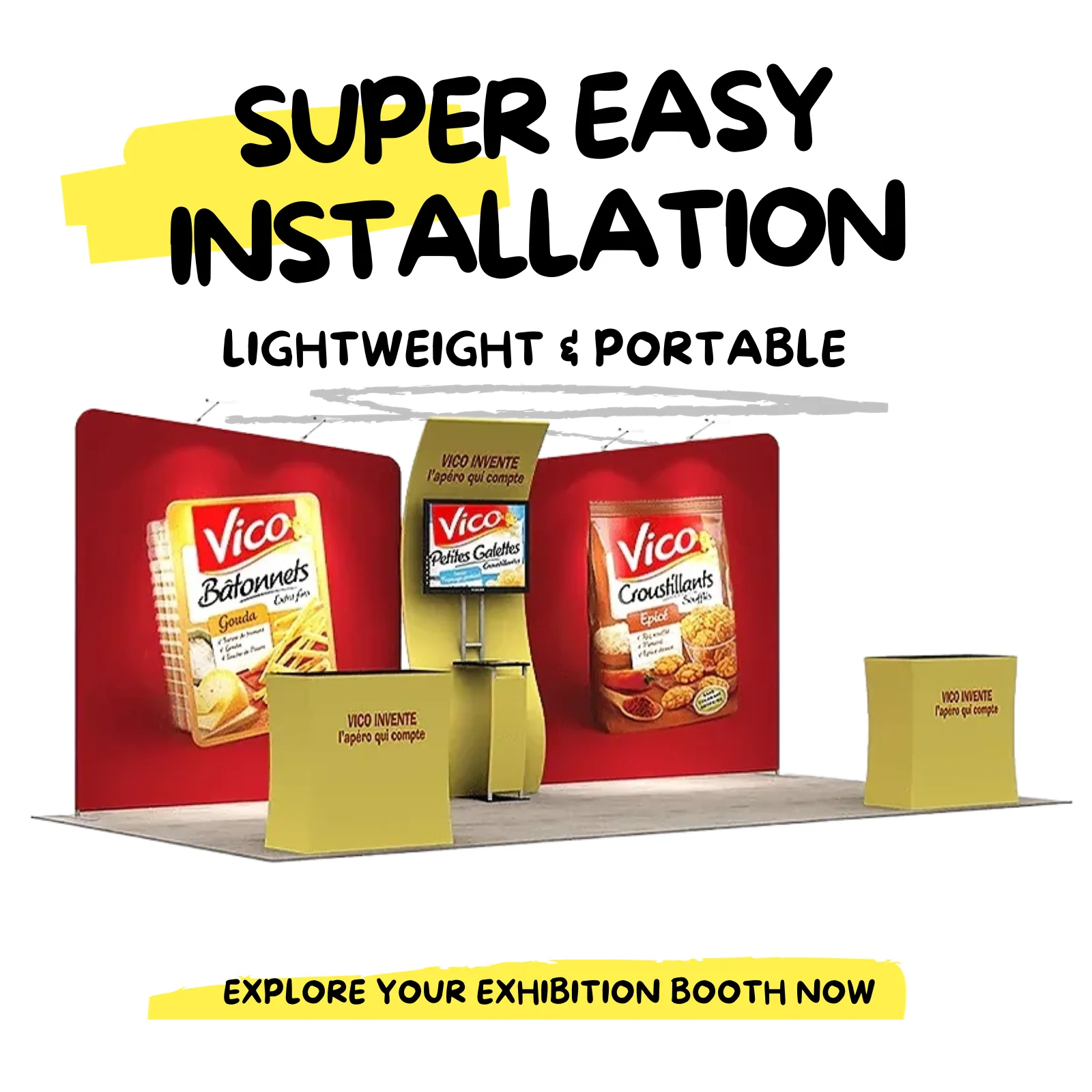
Roadshow work covers kit-of-parts builds, a repeatable run-of-show, regional staffing, and city-by-city logistics for national programs running ten-plus cities on a rolling tour.
The Santa Monica stop typically routes to Barker Hangar, Santa Monica Pier, Pacific Design Center, or Long Beach Convention & Entertainment Center, chosen for how well each fits the tour's kit rather than for any Santa Monica-specific reason a single-city program might weigh.
Execution priorities
- Repeatable kit design, built to fit the tightest venue on the full city list, not the most generous one.
- City-by-city venue selection, locked against the kit's actual footprint and power needs.
- Regional staffing, confirmed at each stop rather than assumed to travel with the tour.
- Freight loop, mapped for the full route, not city by city as the tour moves.
What roadshow work covers
A kit-of-parts build is designed once and reassembled at every stop, which means the kit's design has to account for the smallest loading dock and the lowest ceiling on the entire route, beyond the venue currently being booked.
Regional staffing and city-by-city logistics fill the gap between stops: a national program cannot fly its full crew to every city, so each stop needs a confirmed local labor plan that plugs into the traveling core team.
Why Santa Monica's roadshow venues skew industrial and flexible
Barker Hangar's open floor and Pacific Design Center's design-forward interior both suit a touring kit better than a standard hotel ballroom, since a kit built for repeatable assembly needs a floor plate that does not fight the build.
Long Beach Convention & Entertainment Center enters the rotation when the tour needs a larger footprint or when the Santa Monica stop is paired with a broader Southern California swing that also touches Long Beach.
Locking the kit to the tightest stop
The single most common roadshow failure is a kit designed around a generous first venue that then does not fit a tighter stop three cities later, forcing a redesign mid-tour instead of before the tour starts.
Reviewing the full city list, and specifically its tightest loading dock, lowest ceiling, and smallest floor plate, before finalizing the kit design keeps every subsequent stop, Santa Monica included, from becoming a fire drill.
Freight as a loop, not a series of one-way shipments
A roadshow's freight plan should treat the tour as a loop with return logistics built in from the start, tracking the kit's location and condition between stops rather than treating each city as an isolated shipment.
Santa Monica and greater Los Angeles sit near two major ports, Los Angeles and Long Beach, which can factor into a freight plan for a tour that starts or restages equipment on the West Coast, though most roadshow freight moves by truck between stops rather than through the ports directly.
Local market messaging inside a national kit
A roadshow's national kit carries the core brand experience, but the messaging layer, signage callouts, local media invitations, and any city-specific talking points, usually needs a light local pass at each stop rather than a purely generic script.
For the Santa Monica stop specifically, that local pass often references the market's tech and entertainment audience, since a roadshow's attendee list here skews differently than a stop in a purely industrial or retail market.
Frequently asked questions
What does roadshow work cover?
Kit-of-parts builds, a repeatable run-of-show, regional staffing, and city-by-city logistics for a multi-city tour.
Which venues does the Santa Monica stop route to?
Barker Hangar, Santa Monica Pier, Pacific Design Center, and Long Beach Convention & Entertainment Center most often.
How should the kit be designed for a multi-city tour?
Around the tightest loading dock and lowest ceiling on the full city list, not the most generous venue on the route.
Does regional staffing travel with the tour?
No, it should be confirmed at each stop and plugged into a traveling core team rather than assumed.
How should freight be planned across a tour?
As a loop with return logistics built in, not as a series of isolated one-way shipments.
Does the roadshow script change city to city?
The core kit stays fixed, but signage callouts and local messaging usually get a light pass at each stop, including Santa Monica's tech and entertainment audience.
How many cities can a single kit realistically support?
It depends on the build's durability and the freight loop's turnaround time; a ten-plus city tour needs a kit built for repeated assembly, not a one-time show build.
What happens if a kit component is damaged mid-tour?
A repair or replacement plan should exist before the tour starts, since waiting to source a replacement part mid-route risks delaying every remaining stop on the schedule.