
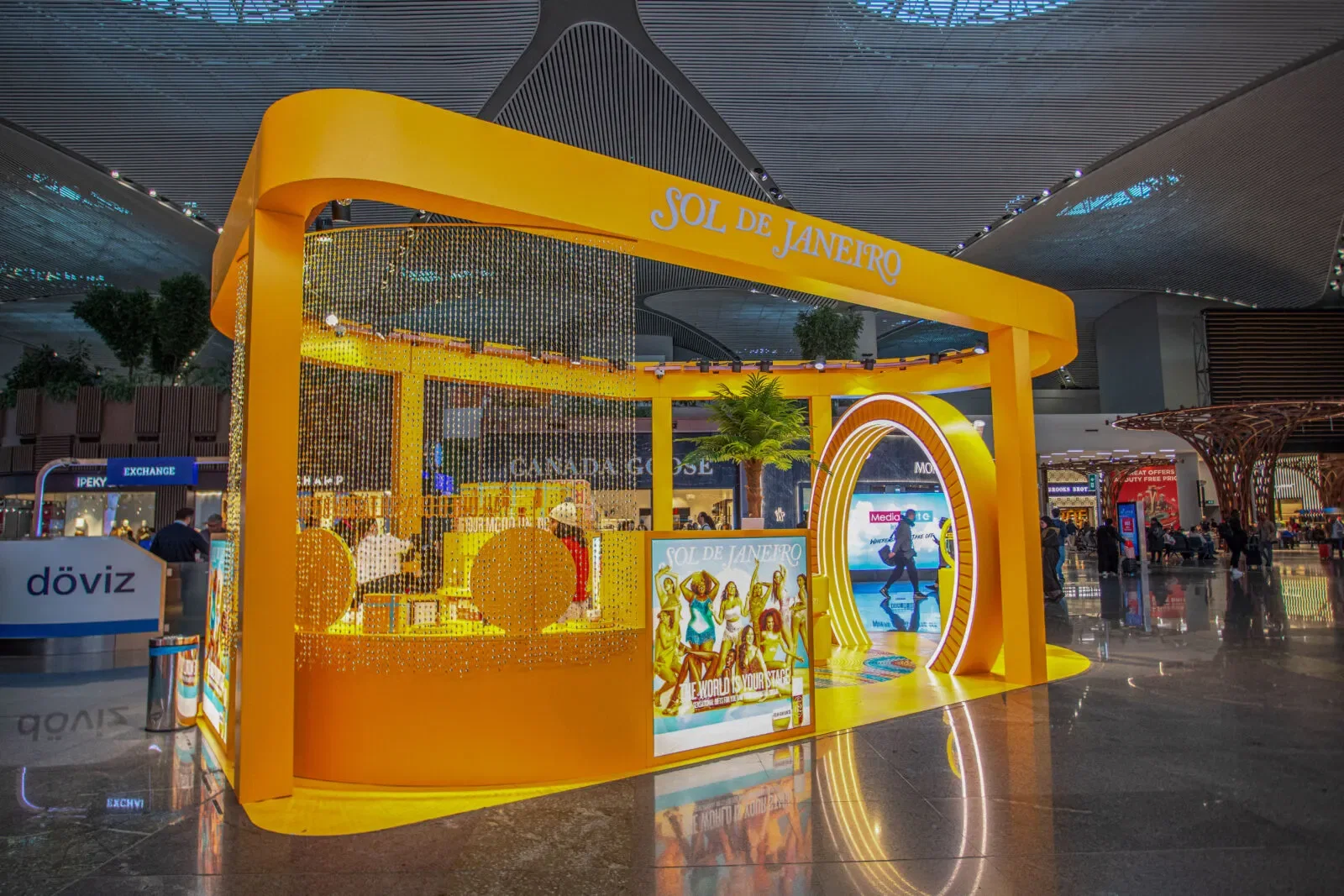
Pop-up work covers permitted street-level builds, pop-up retail, and short-cycle consumer events for consumer brands and content teams running one-to-two-week activations.
Santa Monica Pier, Pacific Design Center, and The Victorian Santa Monica cover most of this routing, three very different footprints, a public pier, a design-industry building, and a private historic venue, that share one trait: none of them are a standard indoor exhibit hall.
Execution priorities
- Permit windows, applied for with enough lead time to clear city and, where relevant, coastal review.
- Perimeter and weather, planned for an outdoor or semi-outdoor footprint from day one.
- Retail throughput, sized to the actual foot traffic the location sees, not a hoped-for number.
- Tear-down sequence, scheduled to match the permit's exact end date, not an estimate.
What short-run pop-up work covers
Permitted street-level builds and pop-up retail both run on a compressed timeline compared with a standard trade show or conference, one to two weeks total rather than a single show day, which changes both the build standard and the staffing plan.
Consumer brands and content teams running these activations are usually optimizing for foot traffic and content capture over a short window, which puts location choice ahead of almost every other decision.
Why permitting is the real gatekeeper here
A Santa Monica Pier footprint sits close to California Coastal Commission jurisdiction on top of standard city event permitting, and that layered review adds real lead time compared with an indoor venue like Pacific Design Center or a private property like The Victorian.
The permit window, once confirmed, sets the hard boundaries for everything else: build cannot start before it opens and tear-down has to be complete before it closes, regardless of how the activation itself performed.
Building for outdoor and coastal conditions
A pier or beach-adjacent footprint needs a perimeter and weather plan that an indoor pop-up simply does not: wind loading on any temporary structure, marine layer affecting visibility and photography timing, and public-access rules that a private indoor venue does not carry.
Pacific Design Center and The Victorian both offer more controlled conditions, useful when a brand wants the short-cycle format without the coastal permitting and weather variables that come with the Pier.
Ending on the permit's schedule, not the brand's
Retail throughput should be sized against the actual foot traffic each location realistically sees rather than an aspirational sales target, since overbuilding staff or inventory for a location that does not deliver that traffic is a common and avoidable cost.
Tear-down needs to be scheduled to the permit's exact end date and confirmed with enough buffer to clear the site completely, since a late tear-down at a public, permitted location risks fines and jeopardizes future permit approvals for the same brand.
Staffing a short-run build
A one-to-two-week activation needs a staffing plan built for a compressed run rather than a standard event-day crew, since the same team may need to cover build, daily operations, and tear-down without the usual gap between install and show day.
Scheduling staff shifts against the confirmed permit window, not an assumed one, avoids paying for labor on days the site is not actually cleared for occupancy.
Frequently asked questions
What does short-run pop-up work cover?
Permitted street-level builds, pop-up retail, and short-cycle consumer events over a one-to-two-week window.
Which venues does this route to from Santa Monica?
Santa Monica Pier, Pacific Design Center, and The Victorian Santa Monica most often.
Why does a Pier location take longer to permit?
It sits near California Coastal Commission jurisdiction on top of standard city event permitting, adding review time an indoor venue does not have.
What should an outdoor pop-up plan for that an indoor one does not?
Wind loading on temporary structures, marine layer effects on visibility, and public-access rules.
What decides the tear-down date?
The permit's exact end date, with buffer built in to clear the site completely and protect future permit approvals.
How should staffing differ for a short-run pop-up?
The same crew often covers build, daily operations, and tear-down; shifts should be scheduled against the confirmed permit window, not an assumed one.
Can a pop-up extend past its original permit window?
Only with an approved extension filed before the original permit expires; a late request risks the site not being cleared in time for the next scheduled use.
Does a pop-up need its own insurance separate from the brand's general policy?
Often yes, particularly for a public or beach-adjacent footprint, since the city or venue may require event-specific coverage beyond a brand's standard general liability policy.
What happens to unsold inventory when the permit window closes?
It needs a removal plan built into the tear-down schedule, since a public or permitted site generally cannot be used for post-closure storage.