
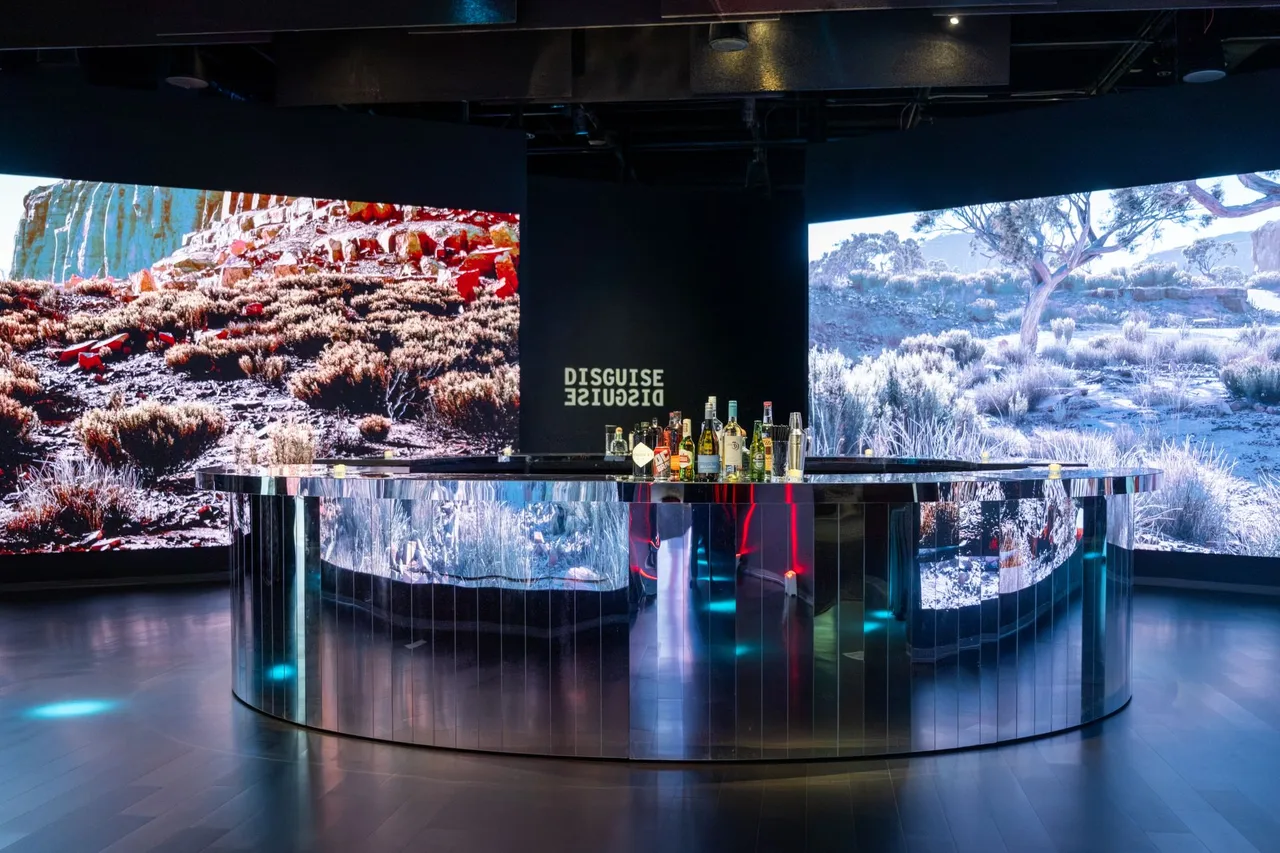
Brand-activation work covers immersive sets, interactive demos, ambassador staffing, and footprint operations for marketing teams running festival, sponsor, and consumer-facing programs.
Santa Monica Pier, Barker Hangar, Pacific Design Center, and SoFi Stadium each pull activation work for a different reason: foot traffic and iconic backdrop at the Pier, industrial scale at the hangar, design-industry credibility at Pacific Design Center, and stadium-scale sponsor reach at SoFi.
Execution priorities
- Throughput per hour, calculated against the actual footprint, not an aspirational guest count.
- Branded photo moments, positioned where foot traffic naturally pauses rather than forced into a dead corner.
- Permit and venue approval, especially for any public, beach-adjacent, or street-level footprint.
- Data and capture stack, tested before doors open, not debugged live.
What experiential brand work covers
Immersive sets and interactive demos carry the brand moment; ambassador staffing runs the floor and manages the crowd; footprint operations covers everything from crowd flow to power and rigging inside the activation's physical boundary.
This work is built for marketing teams accountable to a festival, sponsor, or consumer-facing calendar, where the activation has to perform on foot traffic and engagement, beyond looking good in a rendering.
Public space in Santa Monica carries its own permitting layer
Santa Monica Pier and the beach corridor sit close to California Coastal Commission jurisdiction and city beach-use permitting on top of standard event permits, which is not a factor at an indoor venue like Pacific Design Center or a controlled property like SoFi Stadium.
A public, beach-adjacent activation needs its permit timeline locked earlier than an indoor one, since coastal and city review adds steps a private venue simply does not have.
Throughput as the number that actually matters
Throughput per hour, how many people the activation can move through meaningfully rather than simply past, decides staffing levels, queue design, and how many branded photo moments a footprint can support without creating a bottleneck.
Calculating that number against the real footprint and dwell time, rather than an aspirational total attendance figure, keeps the activation from either sitting empty or overwhelming its own staff on the busiest hour of the day.
Making the data capture stack reliable
Sponsor-facing activations typically need a working data and capture stack, lead capture, photo activation uploads, or a survey, connected and tested well before the first guest arrives.
A stack debugged live in front of attendees costs both data quality and staff bandwidth; a tested run-through the day before catches the connectivity and device issues that beach-adjacent or hangar locations are more likely to have than a wired convention hall.
Weather and seasonal timing
Santa Monica's marine layer burns off later in spring and early summer than it does in fall, which affects both photography light and the comfort of a beach-adjacent activation scheduled for a morning call time.
Scheduling a Pier or beach footprint's peak programming for the afternoon window, after the marine layer clears, generally delivers better photography and higher foot traffic than a morning-heavy schedule based on inland assumptions.
A program with a flexible date range should weigh that seasonal marine layer pattern against other scheduling constraints, since an afternoon-heavy call time often outperforms an early-morning one on both attendance and photography quality.
Frequently asked questions
What does experiential brand-activation work cover?
Immersive sets, interactive demos, ambassador staffing, and footprint operations for festival, sponsor, and consumer-facing programs.
Which venues does this route to from Santa Monica?
Santa Monica Pier, Barker Hangar, Pacific Design Center, and SoFi Stadium most often.
Does a Pier or beach activation need extra permits?
Yes, public beach-adjacent footprints sit near California Coastal Commission jurisdiction and city beach-use permitting on top of standard event permits.
How is throughput calculated?
Against the real footprint and expected dwell time, not an aspirational total attendance number.
When should the data capture stack be tested?
The day before doors open, not live in front of the first guests.
Does Santa Monica's coastal weather affect activation timing?
Yes, marine layer common in spring and early summer clears by afternoon, which usually delivers better photography and foot traffic than a morning-heavy schedule.
How far ahead should permits be filed for a Pier activation?
Several months ahead, since layered city and coastal review takes longer to clear than a standard indoor venue booking.
Can an activation run across multiple footprints in one day?
Yes, though throughput and staffing plans need calculating separately for each footprint rather than treating a multi-location activation as one combined number.
Should an activation carry a backup plan for high wind or rain?
Yes, particularly at the Pier or another beach-adjacent footprint, where a wind or rain contingency should be built into the plan rather than treated as a same-day improvisation.